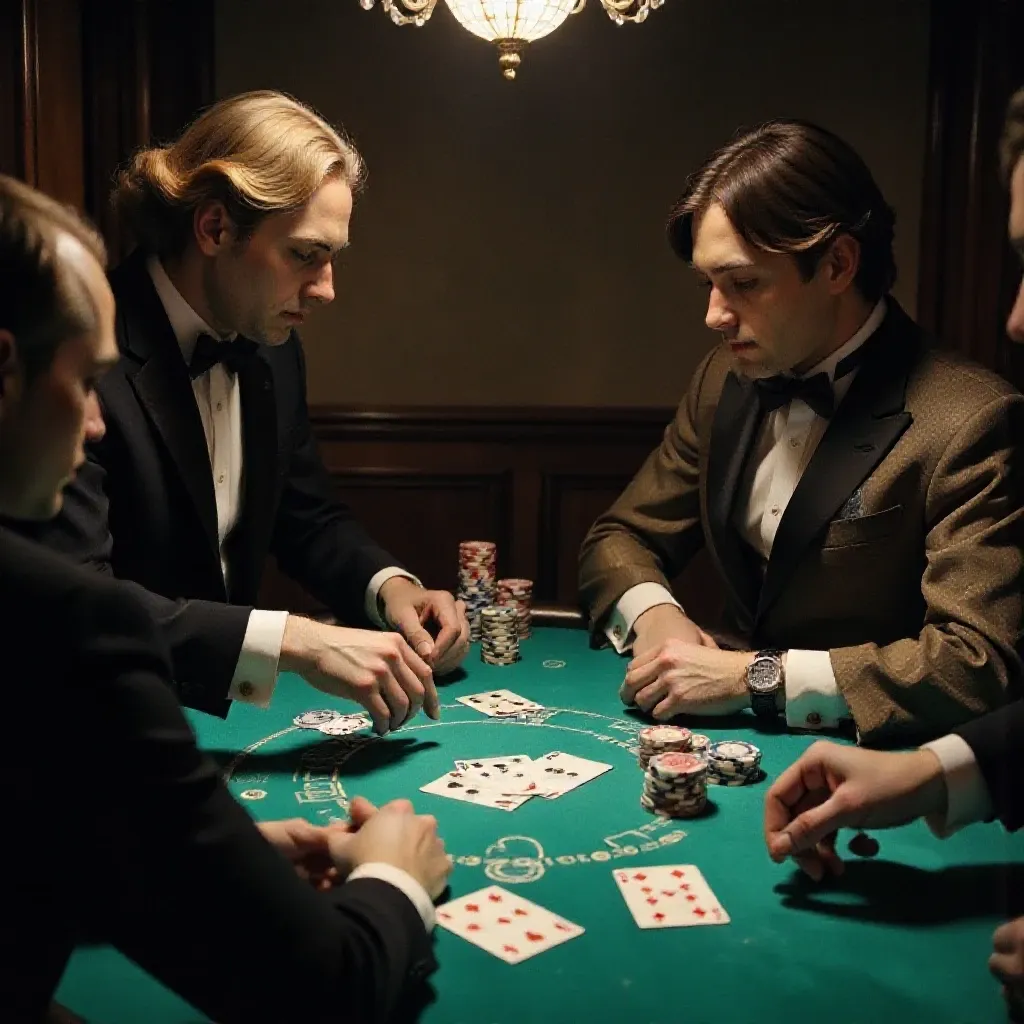
Is gambling a game of honed expertise or a dizzying dance with destiny? Millions test their mettle against the odds every day, chasing fortunes in casinos, online platforms, and beyond. While the flashing lights and spinning wheels might suggest pure chance, a closer look reveals a fascinating interplay between skill and luck.
From the strategic depths of poker to the instant thrills of slot machines, the world of gambling is vast and varied. But where does calculated strategy end, and blind chance begin? This is the question we will explore.
This article will dissect the roles of skill and luck in gambling, providing clarity and actionable insights. Consider this your guide to understanding the odds, making informed decisions, and ultimately, navigating the world of gambling with a sharper perspective.
Defining Skill and Luck in Gambling
Gambling walks a fascinating tightrope between skill and luck. Understanding the difference is crucial for anyone venturing into this world, whether as a casual player or a serious contender. On one side, there’s skill-based gambling, where your knowledge, strategic thinking, and decision-making directly influence your chances of success. Think of poker: knowing the rules is just the beginning. Mastering the game involves understanding probabilities, reading your opponents’ tells, managing your bankroll, and making calculated risks. Your choices genuinely matter, and a skilled player will consistently outperform a novice over time.
On the other side lies luck-based gambling. Here, chance reigns supreme, and outcomes are largely random and unpredictable, no matter what you do. Consider a slot machine: you pull the lever, and the reels spin according to a random number generator. There’s no strategy, no skill, and no way to influence the outcome. Similarly, in a lottery, every ticket has an equal chance of winning, regardless of who buys it. While some might claim lucky numbers or rituals, the reality is that these games are governed by pure chance. In short, skill-based gambling rewards knowledge and strategy, while luck-based gambling is a game of pure chance.
The Blurring Lines: Games with Elements of Both
The world of gambling often presents a false dichotomy: games of pure luck versus games dominated by skill. The reality is far more nuanced. Many popular gambling activities exist in a gray area, a mixed gambling landscape where skill and chance intertwine, making definitive categorization a challenge.
Consider poker, for example. While a lucky draw can certainly impact a hand, consistent success requires a deep understanding of strategy, reading opponents, and managing risk. Skilled poker players can consistently outperform less experienced ones, demonstrating a clear advantage derived from expertise, minimizing the luck component. Similarly, in blackjack, employing basic strategy charts and understanding card counting techniques can significantly improve a player’s odds, shifting the balance away from pure chance and toward informed decision-making. Expert players are not just relying on guessing. They have a whole statistical system.
Even in activities often perceived as purely luck-based, like sports betting or roulette, skill can play a role. In sports betting, knowledge of teams, players, statistics, and even weather conditions can inform more strategic wagers. While the unpredictable nature of sports introduces an element of chance, a skilled bettor can leverage their understanding to make more informed predictions. In roulette, while the outcome of each spin is random, skilled players might employ betting systems or analyze wheel biases, although the effectiveness of these strategies is often debated. The key element is that you cannot be sure of anything.

Games Dominated by Luck
Certain gambling activities are almost entirely governed by chance, diminishing the impact of player skill or strategy. These luck-based games offer an unpredictable experience where the outcome is largely determined by randomness and probability.
Consider slot machines, for instance. Their results hinge on Random Number Generators (RNGs), complex algorithms ensuring each spin is independent and unpredictable. While flashy graphics and exciting sound effects might create an illusion of control, the reality is that every spin has precisely the same odds as the last. There’s no way to influence the outcome beyond simply pressing the “spin” button. The house always has an edge.
Similarly, lotteries exemplify games of pure chance. Although players often develop strategies for selecting numbers, such as choosing birthdays or avoiding consecutive digits, these tactics don’t meaningfully improve their odds of winning. The probability of any specific number combination being drawn remains astronomically low, regardless of the selection method. Winning a lottery requires pure, unadulterated luck.
Roulette, while offering a variety of betting options, also features a significant element of randomness. The spin of the wheel and the bounce of the ball ultimately dictate the outcome, making it difficult to predict with any real accuracy. While players might employ betting systems, it is important to understand that it doesn’t guarantee profits. The game’s inherent randomness gives the house a statistical advantage.
Games Where Skill Plays a Significant Role
While many casino games rely heavily on chance, certain forms of gambling offer opportunities for players to demonstrably improve their odds through knowledge, strategy, and expertise. These skill-based games reward those who invest time in learning the intricacies of the game, developing effective strategies, and mastering the art of calculated risk-taking. Poker, sports betting, and blackjack (in certain contexts) stand out as prime examples where skill can significantly impact the outcome, providing a distinct advantage over less informed players.
Poker: A Game of Calculated Risks
Poker is more than just luck; it’s a strategic battle of wits. Successful poker players possess a deep understanding of poker strategy, including game theory optimal (GTO) play. They are adept at reading opponents’ tells – subtle physical or behavioral cues that can reveal the strength of their hand. Masterful bluffing, knowing when to represent a stronger hand than you actually hold, is another key element. Beyond the individual hands, effective bankroll management is crucial for long-term success. Poker psychology also plays a significant role, as understanding how your opponents think and react can give you a crucial edge. Top players use all these skills to make their fortune, so be prepared.
Sports Betting: Knowledge is Power
In the realm of sports betting, knowledge truly is power. A successful bettor doesn’t just pick their favorite team; they meticulously analyze team and player statistics, identifying trends and patterns that can inform their predictions. Understanding different betting odds – such as moneyline, point spread, and over/under – is essential for making informed decisions. Staying updated on injury reports, team dynamics, and other relevant news is also critical. Developing a sound handicapping strategy, which involves assigning probabilities to different outcomes, can help bettors find value in the market. Many inexperienced bettors make the mistake of betting based on emotion or gut feeling, which is why smart bettors can win so often.
The Psychological Edge: How Mental Skills Impact Gambling
While luck undeniably plays a role in gambling, the significance of mental skills cannot be overstated. Developing a strong psychological framework is crucial for making informed decisions and mitigating potential losses, regardless of the game of choice. This involves cultivating emotional control, practicing discipline, and enhancing cognitive awareness.
One of the biggest pitfalls in gambling is succumbing to cognitive biases. The gambler’s fallacy, for instance, leads individuals to believe that a losing streak increases the probability of a win, or vice versa. Confirmation bias, on the other hand, causes gamblers to seek out information that supports their existing beliefs, even if that information is flawed. Recognizing and understanding these biases is the first step toward overcoming their negative impact on decision-making.
Emotional control is paramount. “Tilt,” a state of frustration and impaired judgment after a loss, can lead to impulsive bets and reckless behavior. Strategies for maintaining emotional equilibrium include taking breaks, setting loss limits, and practicing mindfulness techniques. Disciplined bankroll management is another essential component of responsible gambling. This involves setting a budget, sticking to it, and avoiding the temptation to chase losses.
Ultimately, self-awareness is key. Understanding one’s own limitations, recognizing personal triggers for impulsive behavior, and acknowledging when gambling is no longer enjoyable are all vital for maintaining a healthy relationship with gambling. By prioritizing mental skills, gamblers can improve their decision-making, minimize risk, and enhance their overall experience.
Strategies to Improve Your Edge (Where Possible)
While luck plays a significant role in gambling, employing sound strategies can significantly improve your odds and overall experience. Understanding and implementing these strategies involves several key areas, each contributing to a more informed and controlled approach.
Bankroll Management: Treat your gambling funds like a business. Set clear limits for how much you’re willing to risk per session, week, or month, and strictly adhere to those limits. Avoid chasing losses, as this can quickly deplete your funds. Proper bankroll management ensures longevity and prevents emotional decisions driven by desperation.
Game Selection: Not all games are created equal. Some offer better odds than others. For example, blackjack, when played with basic strategy, generally offers better odds than slot machines. Similarly, choosing poker games with softer competition can increase your chances of winning. Research the house edge of different games and focus on those where skill can play a larger role.
Learning Basic Strategies: Many games have mathematically optimal strategies that can significantly reduce the house edge. In blackjack, for instance, a basic strategy chart dictates the optimal play for every possible hand combination against the dealer’s upcard. Memorizing and consistently applying this strategy can drastically improve your long-term results.
Odds Calculation: A foundational strategy is understanding odds calculation to improve your results. For example, in poker, understanding pot odds and implied odds can help you make more informed decisions about calling, raising, or folding. There are plentiful resources available such as books, websites and more, to deeply understand the best strategies.
Continuously improving your gambling knowledge is essential. Stay updated on new strategies, analyze your past performance, and identify areas for improvement. Gambling should be entertaining, never expect consistent winnings, but with the proper techniques, you can manage risk.
Responsible Gambling: Knowing When to Stop
Gambling can be a form of entertainment, but it’s crucial to practice responsible gambling to prevent it from becoming a problem. Responsible gambling means understanding the risks involved and taking steps to stay in control.
One of the key aspects of responsible gambling is setting limits. Before you start gambling, decide how much time and money you’re willing to spend. Once you reach those limits, stop. Avoid the temptation to chase losses, as this can quickly lead to financial difficulties and emotional distress. Never gamble under the influence of alcohol or drugs, as this can impair your judgment and lead to impulsive decisions.
Recognizing the signs of problem gambling is also essential. These signs can include gambling more often or for longer periods than intended, feeling restless or irritable when trying to cut down, lying to family and friends about gambling activities, and experiencing financial problems as a result of gambling.
If you or someone you know is struggling with problem gambling, it’s important to seek help. Many resources are available to provide support and guidance. Gamblers Anonymous offers a 12-step program for individuals who want to stop gambling. The National Council on Problem Gambling provides information, resources, and a helpline to connect people with local treatment options. Remember, seeking help is a sign of strength, and recovery is possible.
Conclusion
In the realm of gambling, the interplay between skill and luck is a constant dance. Success isn’t solely about mastering strategies; it’s also about understanding the inherent randomness that games of chance possess. Recognizing this duality is paramount for anyone venturing into casinos or online gaming platforms. This article has explored how skill can be honed through strategic play, bankroll management, and a deep understanding of game mechanics, but also how luck can dramatically influence outcomes, often rendering even the most skilled player vulnerable.
Effective gambling hinges on knowing your limits, understanding the odds you’re facing, and making informed decisions. It’s about approaching each game with a balanced perspective, acknowledging both your capabilities and the unpredictable nature of chance. Always prioritize responsible gaming practices. Responsible gaming involves setting budgets and sticking to them, knowing when to stop, and never gambling more than you can afford to lose. Armed with this knowledge, approach gambling responsibly and strategically. By walking in with a balance of these forces, one can navigate the world of gambling with greater awareness and control.