
The digital world has irrevocably changed the landscape of entertainment, and online gambling stands as a prime example. Fueled by convenience and accessibility, this industry is experiencing explosive growth. Consider this: global online gambling revenue is projected to reach staggering heights in the coming years, reflecting a massive influx of funds and, consequently, a surge in potential tax liabilities. Navigating the maze of online gambling taxes can feel like a high-stakes game in itself.
The crucial thing is that regulations vary significantly from one place to another. What’s perfectly legal and tax-free in one jurisdiction might be heavily taxed or even prohibited in another. This intricate web of laws makes it easy to stumble, potentially leading to unforeseen penalties and financial stress. Understanding the rules of the game is paramount.
This guide serves as your compass to explain the often-murky waters of tax on gambling. You’ll discover clear, actionable insights to confidently manage your gambling winnings tax obligations. We aim to make understanding online casino tax obligations easy regardless of one’s expertise level.
Understanding the Basics of Gambling Taxes
Navigating the world of gambling taxes can seem daunting, but understanding a few key terms makes the process much clearer. Gambling winnings are generally considered taxable income, just like wages or salary, and are subject to income tax. This means the money you win gambling is added to your other income when you file your taxes.
Taxable income is the portion of your income that’s subject to tax after deductions and exemptions. Gross winnings refer to the total amount of money you’ve won before any expenses or losses are taken into account. Your adjusted gross income (AGI) is your gross income minus certain deductions, and it’s an important figure for determining your tax liability. Furthermore, withholding tax refers to the money that is automatically deducted from certain types of gambling winnings by the payer (e.g., casino) and sent to the government.
A common misconception is that small winnings are tax-free. However, all gambling income, regardless of the amount, is technically taxable. It’s important to keep track of all your winnings and losses throughout the year, as this information is needed when you file your tax return.
Defining Gambling Income
Gambling income encompasses winnings from various sources, each with its own nuances. Winnings from online casinos are considered gambling income. The same goes for sports betting tax, as well as, poker winnings tax. Here are the gambling sectors:
- Online Casinos: This includes winnings from slots, table games, and other games of chance offered by online casinos.
- Sports Betting: Winnings from wagering on the outcome of sporting events.
- Poker: Money won playing poker, whether in tournaments or cash games.
The definition of ‘online gambling income’ can vary from country to country, so it’s important to check the specific regulations in your jurisdiction. But the general rule says: Everything that is won over a time period has to be declared.
Tax Rates on Online Gambling Winnings Globally
Navigating the world of online gambling can be thrilling, but understanding the tax implications of your winnings is crucial. Gambling tax rates vary significantly across the globe, with some countries imposing hefty taxes while others offer tax-free winnings. This section provides an overview of gambling tax regulations in various regions, highlighting the differences between countries and even specific states or provinces.
US Gambling Tax Rates
In the United States, gambling winnings are considered taxable income, subject to both federal and state taxes. The federal tax rate on gambling winnings is 24%, and this may be withheld directly from your winnings by the payer (e.g., casino, online gambling platform) if the amount is significant. Additionally, many states also impose their own income taxes, which means your total tax burden could be even higher depending on where you live. To declare your gambling winnings, you’ll typically need to use IRS Form W2-G if you receive it from the payer; otherwise, you must report it as “other income” on your Form 1040. Remember that you can deduct your gambling losses, but only up to the amount of your winnings, and you must be able to itemize these deductions.
UK Gambling Tax Rates
The United Kingdom boasts a favorable landscape for gamblers, as gambling winnings are generally tax-free. This tax-free policy applies to both casual and professional gamblers. However, there are restrictions. The tax exemption primarily applies to winnings from licensed gambling operators. While your winnings are safe from taxation, the gambling operators themselves pay taxes on their profits. So, you can enjoy your winnings without worrying about HMRC knocking at your door, but make sure you are using regulated platforms.
In Canada, gambling winnings are generally not taxable unless gambling is your primary source of income. Australia follows a similar approach, with gambling winnings typically considered a hobby and not subject to taxation. In Germany, gambling income is subject to income tax, while Malta, a hub for online gambling companies, does not tax players’ winnings but focuses on taxing gambling operators. These examples illustrate the diverse approaches to gambling taxation worldwide, emphasizing the importance of understanding local regulations.
Keep in mind that tax laws can change, so it’s always a good idea to consult with a tax professional or refer to the latest regulations from your local tax authority to ensure you are compliant. Staying informed can help you enjoy your gambling experience without any unexpected tax consequences.

How to Report Online Gambling Income
Record Keeping for Gambling Winnings
Accurately reporting gambling income is essential for legal compliance. Failing to do so can lead to penalties and legal issues. The IRS requires you to report all gambling winnings, including those from online platforms.
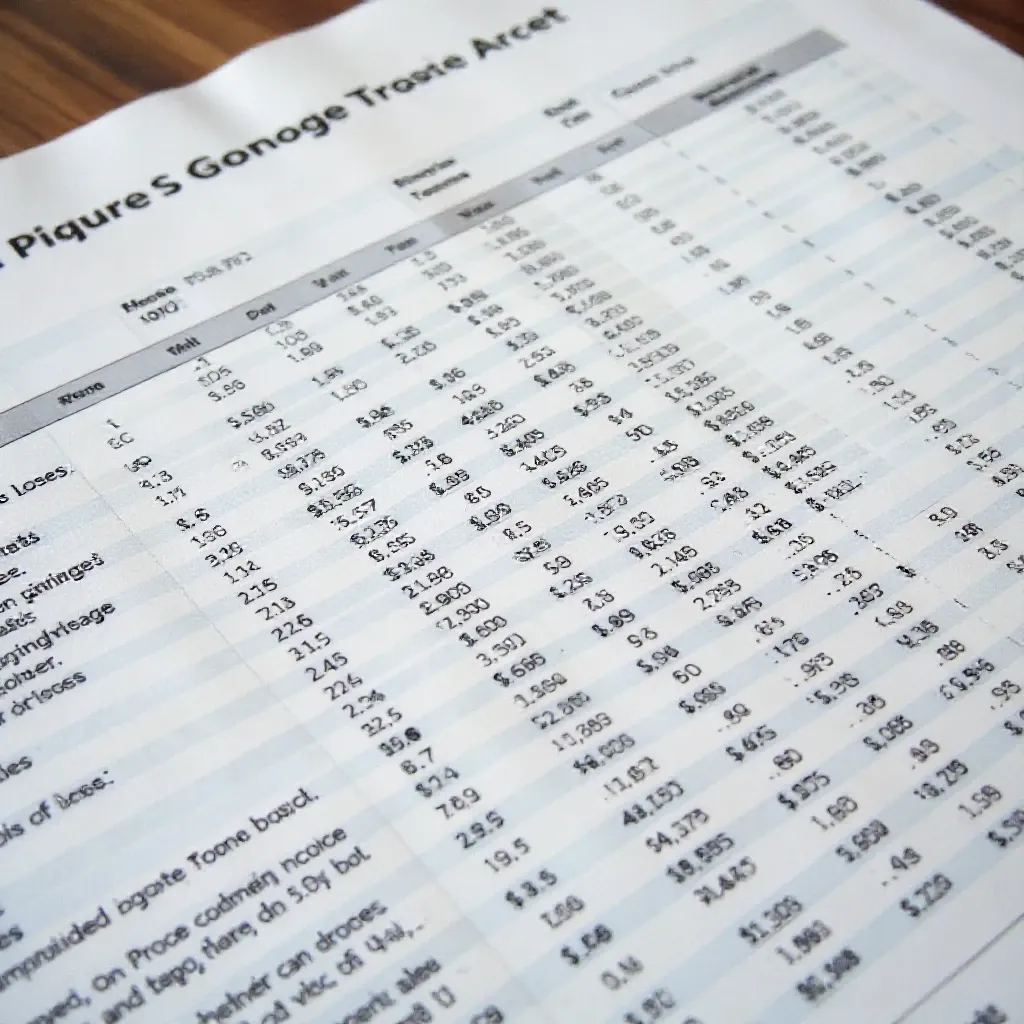
Keeping detailed records of your winnings and losses is the first step. This includes the dates, amounts, and types of gambling activities you engaged in. Platforms like Excel or Google Sheets are excellent tools for organizing this data. Documenting each win and loss, no matter how small, creates an accurate picture of your gambling activity throughout the year.
Comprehensive records are not just about staying organized; they are your defense in case of an audit. Without proper documentation, disputing discrepancies with the IRS becomes challenging. Accurate records ensure you can claim any eligible deductions, potentially lowering your tax liability.
To that end, you should become acquainted with the IRS guidelines on gambling income. Form W2-G is the one used to report gambling winnings. You can find it on the IRS website, along with detailed instructions. It’s crucial to understand when and how to use this form to correctly report your income.
Ignoring these requirements can lead to serious consequences, including fines and legal action. Accurate reporting protects you and ensures you meet your tax obligations fairly.
Deductions and Offsets
The taxman cometh, even to the casino. Gambling winnings are taxable income, but the good news is that the IRS allows you to deduct gambling losses, but only to the extent of your winnings. In other words, you can’t use gambling losses to offset other income like your salary or investment gains. This is where offsetting comes in handy. If you won $2,000 at the poker table but lost $1,500 on slot machines, you only have to report $500 in taxable winnings.
To claim gambling loss deductions, you’ll need to itemize deductions on Schedule A of Form 1040. This means foregoing the standard deduction, so it’s only worthwhile if your total itemized deductions exceed the standard deduction for your filing status. Remember, meticulous record-keeping is crucial. Keep a detailed log of your wins and losses, including dates, locations, types of gambling activity, and names of anyone else present.
There’s a distinction between recreational and professional gamblers. Recreational gamblers are subject to the rules described above. Professional gamblers, however, may be able to deduct all ordinary and necessary business expenses related to their gambling activities, in addition to offsetting losses against winnings. This often requires demonstrating that gambling is your primary source of income and that you engage in it with the intent to make a profit. Be aware that professional gambler status is heavily scrutinized by the IRS.
Common Mistakes and How to Avoid Them
Navigating the world of online gambling taxes can be tricky, and it’s easy to stumble. One of the most frequent gambling tax mistakes is simply forgetting to report all gambling income. It’s easy to think that winnings are all yours, but the taxman sees it differently. Whether it’s a big win or a series of smaller ones, it all adds up and needs to be reported.
Another common error is miscalculating your winnings and losses. Many people only consider their jackpot wins, overlooking smaller wins or failing to accurately track their losses. Remember, while you report winnings as income, you can often deduct losses – but only up to the amount of your winnings, and only if you itemize deductions.
Failing to keep accurate records is a surefire way to run into issues. Imagine this: Sarah wins a few hundred dollars each month playing online poker. She doesn’t track her winnings because they seem insignificant. At the end of the year, she faces an unexpected tax bill, plus penalties for underreporting her income. If Sarah had tracked her winnings, she could have prepared for the tax implications and potentially offset some of the tax burden with deductible losses.
The penalties for underreporting or failing to report gambling income can include interest on the unpaid taxes, accuracy-related penalties, and, in more severe cases, even civil fraud penalties. To avoid these pitfalls, it’s best to keep a detailed record of all gambling activities, including dates, amounts won or lost, and the name of the gambling platform. If you’re unsure about anything, consult with a tax professional. They can provide personalized advice and help you stay on the right side of the law, making sure that you understand all aspects of your online gambling tax compliance.
Seeking Professional Tax Advice
Navigating the world of gambling taxes can feel like a high-stakes game itself. For many occasional players, understanding basic reporting requirements might suffice. However, situations involving substantial winnings or frequent gambling activity necessitate a more strategic approach. This is where the expertise of a qualified tax professional becomes invaluable.
Engaging a tax advisor for gamblers offers numerous benefits. Firstly, it significantly reduces the stress and time associated with tax preparation. Tax professionals possess in-depth knowledge of ever-changing tax laws and regulations, ensuring accuracy and minimizing the risk of errors. Secondly, a gambling tax consultant can help optimize deductions, potentially lowering your overall tax liability. This includes identifying eligible expenses and applying relevant tax strategies that you might otherwise overlook.
When should you consider seeking professional tax advice? If you consistently engage in gambling activities, experience high-stakes wins, or find yourself in a complex or unclear tax situation, consulting a professional is highly recommended. Don’t hesitate to seek assistance when dealing with gambling income, especially if you are not sure how to deal with it by yourself. Tax planning for gambling winnings requires professional approach.
When selecting a tax professional, look for qualifications such as Certified Public Accountant (CPA) or Enrolled Agent (EA). These credentials indicate a certain level of expertise and adherence to professional standards. If you’re unsure about your tax obligations related to gambling, seeking professional tax advice is the most prudent course of action. It’s an investment that can save you time, money, and potential headaches down the road.
Conclusion
Navigating the world of online gambling taxes can feel like a high-stakes game in itself. From understanding what constitutes taxable income to meticulously tracking your winnings and losses, the path to compliance demands attention to detail. The key takeaway is simple: accurate reporting is not just a suggestion, it’s the law. Whether it’s slots, poker, or sports betting, every win contributes to your tax liability.
Don’t let uncertainty cloud your judgment. Equip yourself with the knowledge to confidently navigate the complexities of online gambling taxes. Remember, thorough record-keeping is your strongest defense. When in doubt, seeking gambling tax advice from a qualified professional is always a smart play. You’re now armed with the essential information to understand online gambling taxes. Staying informed and proactive is the surest bet for financial peace of mind.